


Product Overview
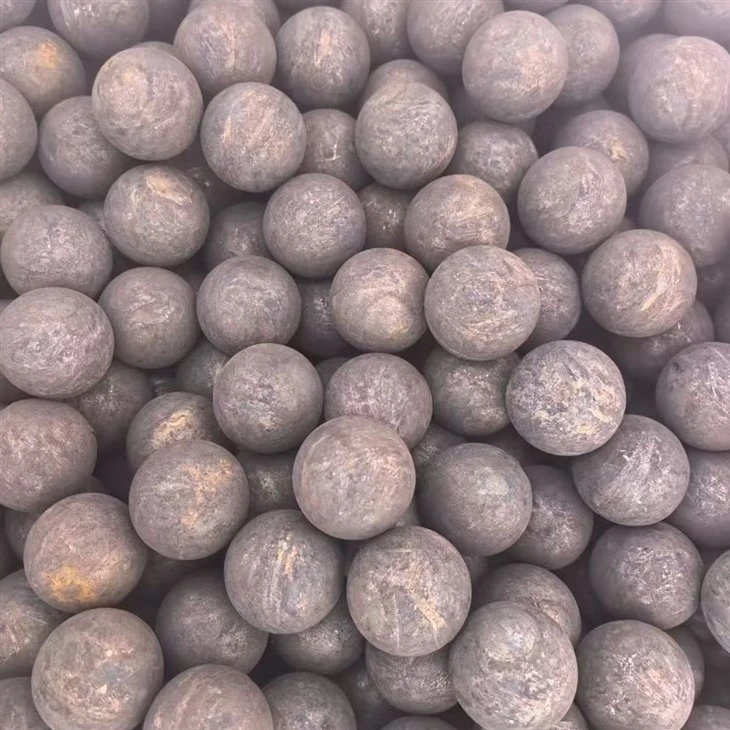
Forged grinding balls are the wear part that quietly sets your mill's operating cost, tonne for tonne of ore or clinker ground. We supply hot-forged steel balls from 20 mm to 150 mm in 60Mn, B2 and B3 grades, matched to your mill type, feed size and target grind.
We work with mills that forge from round bar and control hardness through the full ball, not just at the surface, because that is where breakage and uneven wear come from. Each batch is tested and shipped against an agreed specification.
Typical orders run for gold, copper and polymetallic plants, cement works and power-station coal mills - including projects across East Africa, Southeast Asia and the Middle East, where we handle the grades, packaging and export paperwork as one package.
Key Advantages
Hardness that holds to the core
Surface hardness and core hardness are controlled together so the ball wears evenly instead of spalling. For B2 and B3 grades, surface hardness typically sits at HRC 55–63 with a small core-to-surface drop - the exact figures are confirmed per heat.
Low breakage, tested per batch
Breakage rate is what decides whether a cheap ball is actually cheap. Every batch is tested and we quote a breakage rate we can stand behind: targets of ≤1%, with ≤0.5% achievable on B3 in a well-run mill.
The right grade for the job
60Mn for general ball-mill duty, B2 for harder ore and larger diameters, B3 where abrasive ore and high impact demand the most wear resistance.
Sizes to match your charge
20–150 mm, so you can build a ball charge with the size distribution your mill design calls for rather than topping up with whatever one size happens to be available.
Technical Specifications
| Item | Specification |
|---|---|
| Product Name | Forged Grinding Balls (hot-forged steel grinding media) |
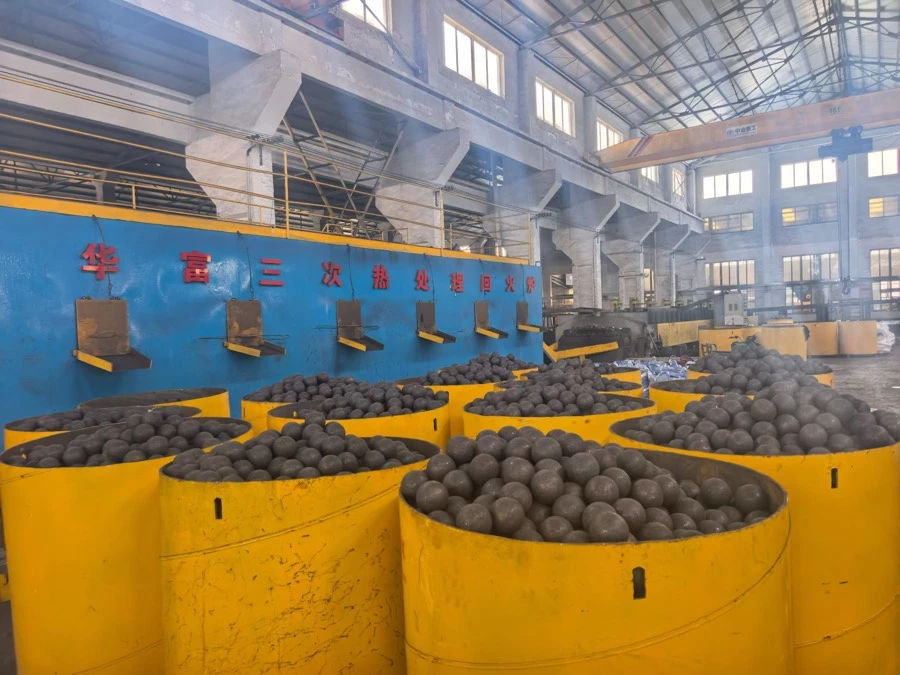
| Process | Hot forging from round bar, followed by controlled quenching and tempering |
| Diameter | 20–150 mm (20 / 25 / 30 / 40 / 50 / 60 / 70 / 80 / 90 / 100 / 110 / 120 / 140 / 150 mm) |
| Material Grade | 60Mn / B2 / B3 |
| Chemical Composition | Confirmed per grade (C, Si, Mn, Cr, P, S) |
| Surface Hardness | HRC 55–63 (grade-dependent) |
| Core Hardness | Confirmed per batch (target: within a few HRC points of surface) |
| Impact Toughness (Ak) | ≥ 12 J/cm² (grade-dependent) |
| Breakage Rate | ≤ 1% typical; ≤ 0.5% achievable for B3 in suitable mills |
| Diameter Tolerance | Confirmed per size |
| Roundness | Confirmed per size |
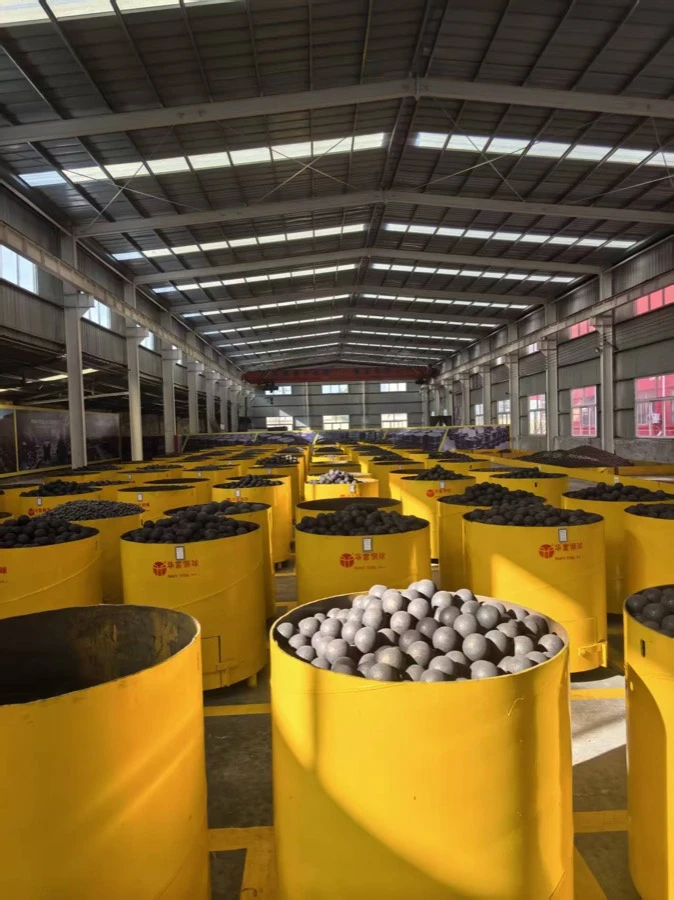
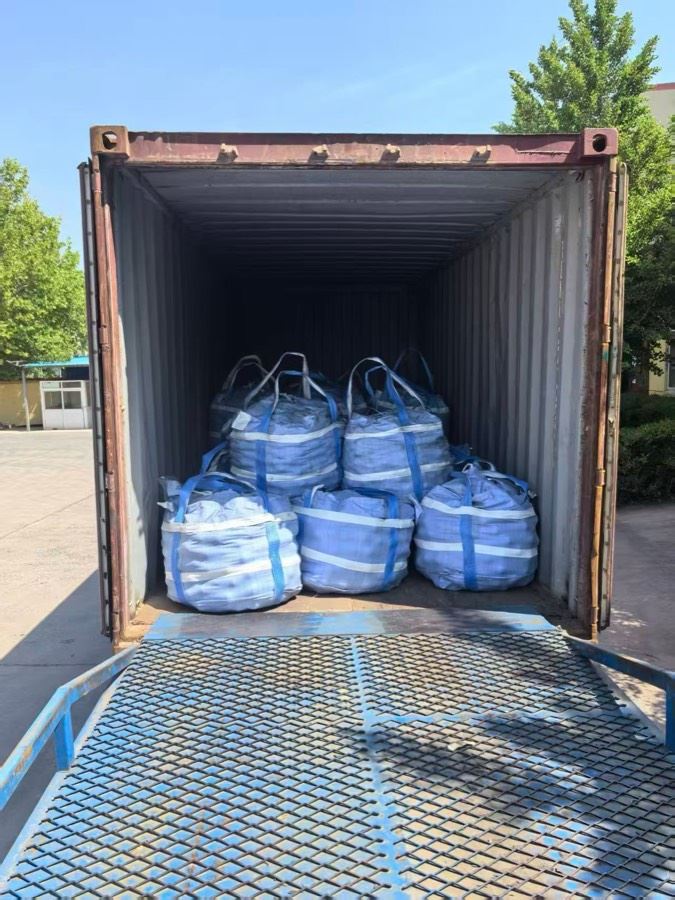
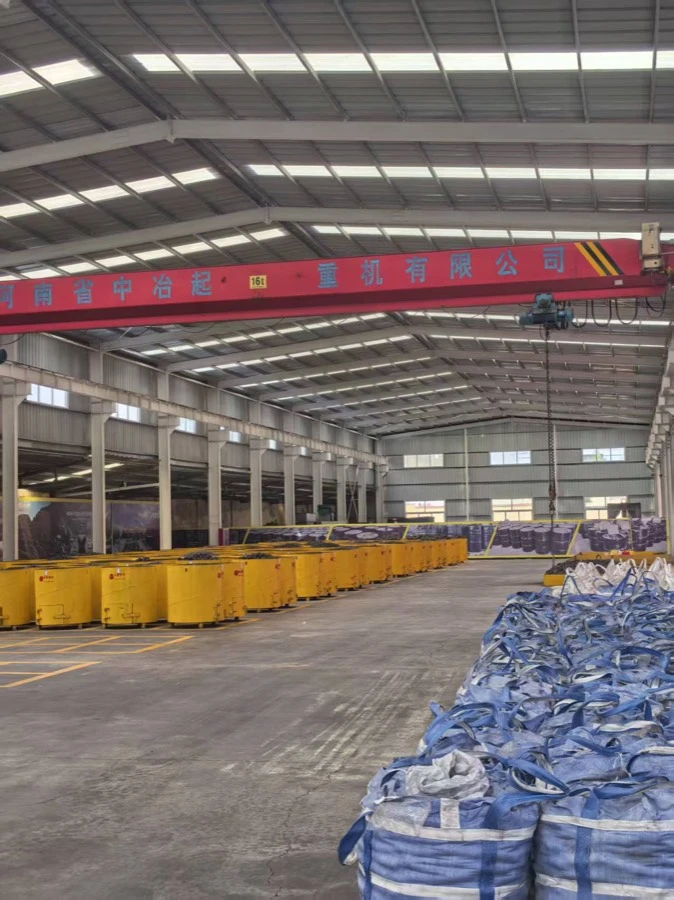
| Packing | Steel drums or 1 t bulk bags |
| Certificate | Mill test certificate per batch (chemistry, hardness, impact) |

Grades, hardness bands and packing are confirmed against your mill type and feed before the order is placed.
Step-by-Step Manufacturing Process
- Bar selection - round bar of the required grade is inspected and cut into billet lengths sized to the finished ball weight.
- Heating - billets are heated to forging temperature in a controlled furnace so the whole piece works evenly.
- Hot forging - the heated billet is forged into a ball of the target diameter. Forging refines the grain and closes internal defects, which is where a forged ball wins over a cast one.
- Quenching - a controlled quench builds hardness from the surface inward, at a depth set by the grade and diameter.
- Tempering - heat treatment relieves internal stress and tunes the balance between hardness and toughness.
- Testing - surface and core hardness, impact toughness, drop-ball and metallographic checks are run on samples from each batch.
- Finishing and packing - flash removal and visual inspection, then packing into steel drums or bulk bags for export.
Quality Assurance & Certificates
- Mill test certificate per batch - chemical composition, surface and core hardness, impact toughness
- Drop-ball test for breakage rate
- Metallographic (microstructure) verification on request
- Third-party inspection available on request (SGS, BV, Intertek)
- Each shipment is checked against the agreed specification before it leaves, so what lands matches what was ordered
Core Applications
- Ball mills in gold, copper, iron ore and polymetallic plants
- Cement clinker and raw-material grinding
- Coal and power-station mills
- Chemical and industrial mineral grinding
- Larger sizes for SAG mill ball charges
FAQ
Should I use forged or cast grinding balls?
Forged balls generally suit larger diameters and higher-impact duty, with better toughness and a lower breakage rate. Cast (high-chrome) balls can be competitive for finer, lower-impact grinding. Tell us your mill type, feed size and target grind and we will recommend the right one.
Which grade should I choose?
60Mn for general ball-mill duty, B2 for harder ore and larger diameters, B3 for abrasive ore and high impact. The choice depends on ore hardness and the size of the ball more than on habit.
What hardness can you guarantee?
Surface hardness of HRC 55–63 depending on grade, with a controlled core hardness. The exact band is confirmed per heat and stated on the batch certificate.
Can you match a specific ball charge size distribution?
Yes. Tell us the mix of diameters your mill design calls for - for example 60 / 80 / 100 mm in a given ratio - and we will supply to that distribution.
Do you provide test certificates?
Yes. Each batch comes with chemistry, hardness and impact results, and third-party inspection can be arranged if required.
How do you pack for export?
Steel drums or 1 t bulk bags, strapped and containerised. Packing is confirmed against the destination and handling conditions before shipment.
Frequently asked questions
What does the Forged Grinding Balls specification cover?
Process: Hot forging from round bar, followed by controlled quenching and tempering; Diameter: 20–150 mm (20 / 25 / 30 / 40 / 50 / 60 / 70 / 80 / 90 / 100 / 110 / 120 / 140 / 150 mm).
Where is Forged Grinding Balls used?
Ball mills in gold, copper, iron ore and polymetallic plants; Cement clinker and raw-material grinding; Coal and power-station mills.
What documentation is supplied with Forged Grinding Balls?
Mill test certificate per batch - chemical composition, surface and core hardness, impact toughness; Drop-ball test for breakage rate.


