


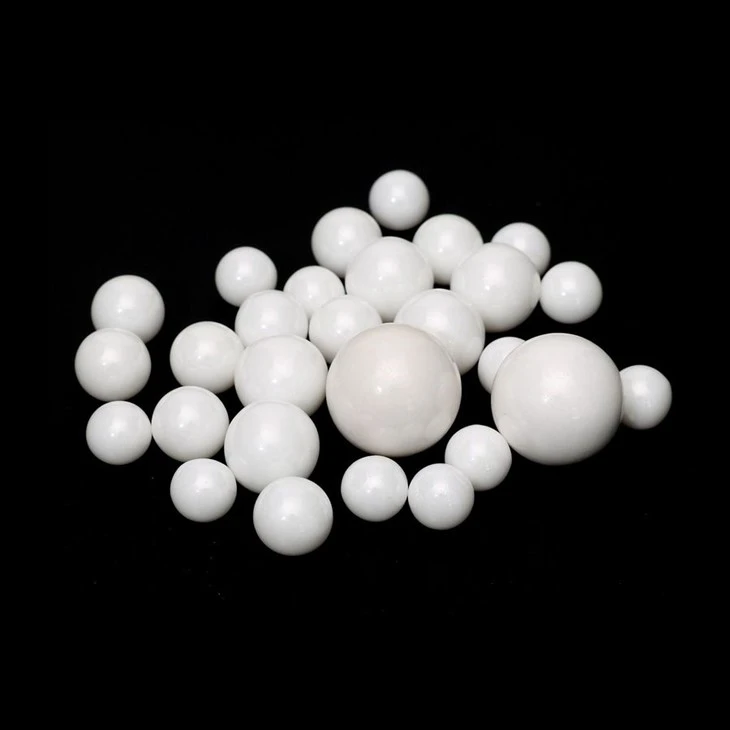
Product Overview
Ceramic grinding balls earn their place where a steel ball would ruin the product. In mineral fillers, pigments, glazes, battery materials and fine chemicals, a few parts per million of iron picked up from the grinding media is enough to shift a colour, fail a spec or cost a customer their batch. Alumina and zirconia media grind finer, wear slower and leave the product cleaner - and they are chosen on exactly that basis, not on price per tonne.
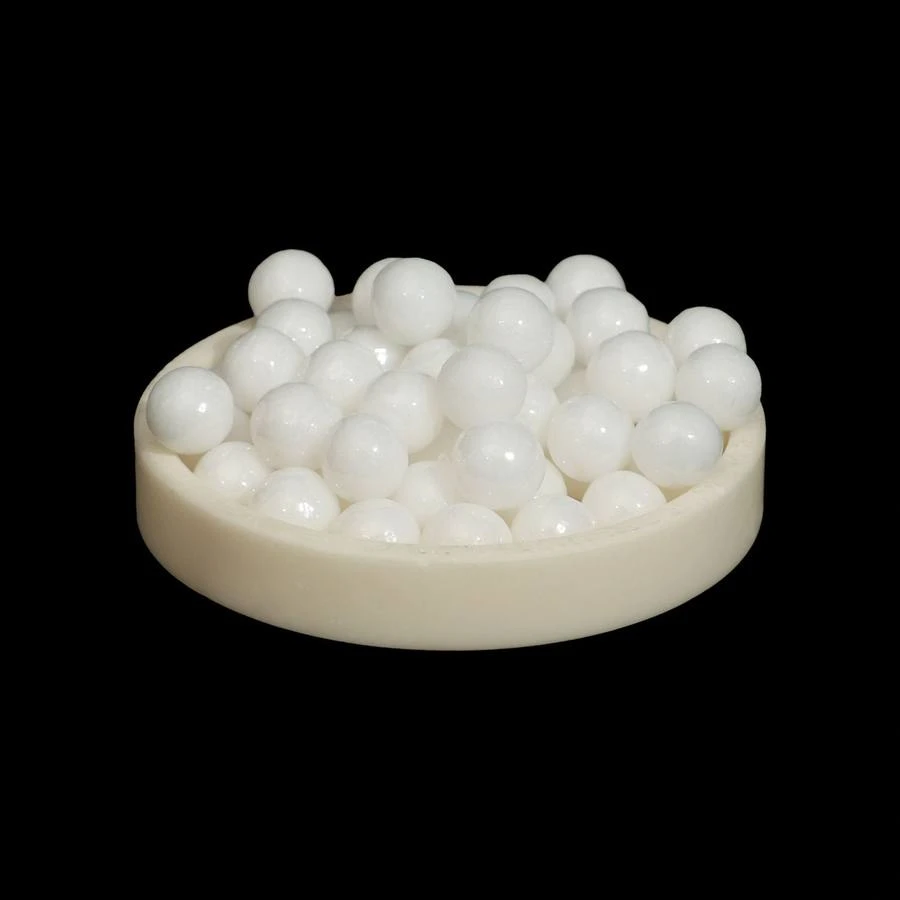
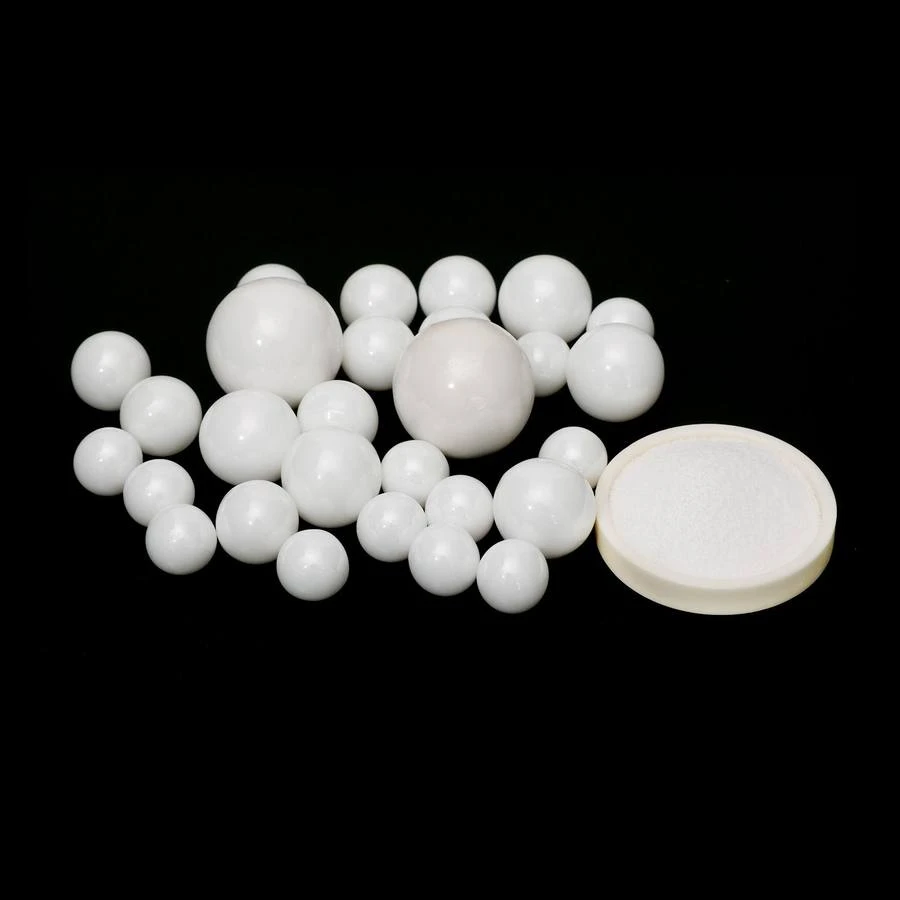
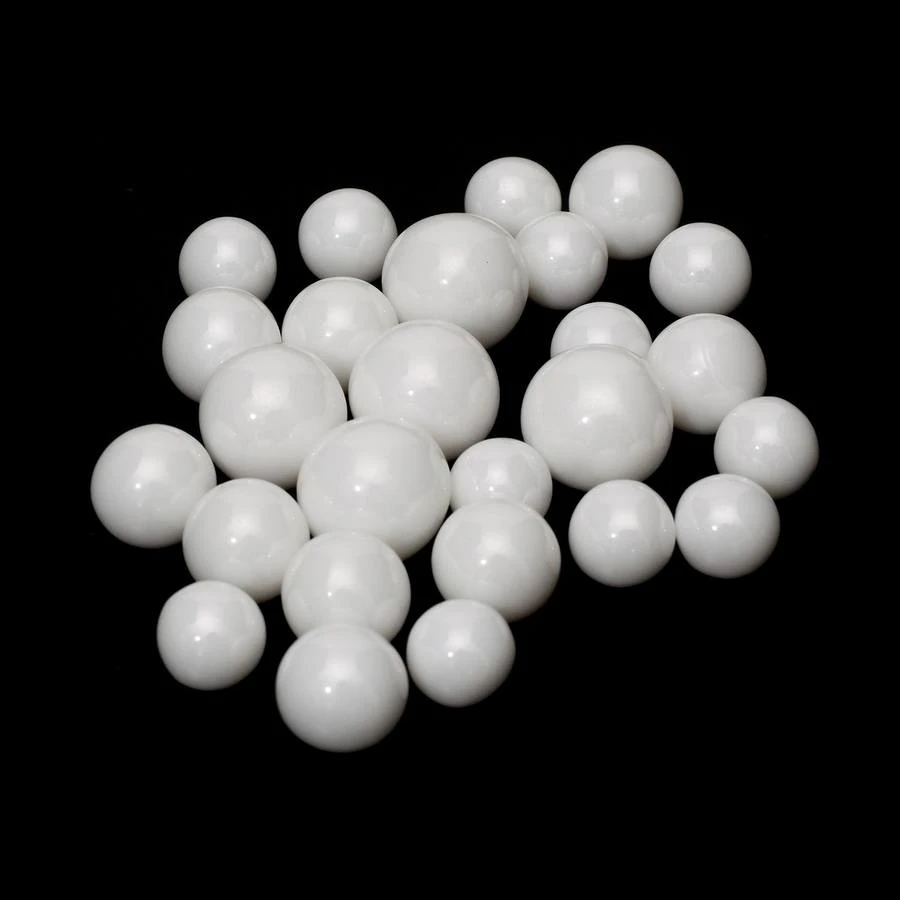
We supply high-alumina balls in 92%, 95% and 99% grades, plus zirconia and zirconia-toughened alumina (ZTA) beads, from 1 mm up to 60 mm depending on grade. Kennen Steel International Co., Ltd. is a China-based steel trading company and a first-tier mill agent; we don't run a factory. We buy from source factories we've vetted, hold them to the grade and size you agree, and handle the export end to end - which is the same job we've done for steel media for three decades.
Our buyers are mineral processors, coatings and ink makers, ceramic plants and equipment integrators who need a consistent grade across repeat orders. Ceramic media sits alongside our steel grinding media as the non-metallic option: when contamination is the constraint, this is the page; when throughput per dollar is the constraint, the steel media is.
Key Advantages
Low contamination where it counts
Alumina and zirconia media wear by a different mechanism than steel, and the wear product is the same family of material as many of the products being milled. For white fillers, bright pigments, glazes and electronic materials, that difference is the whole reason to pay more per tonne.
Grades matched to the mill, not to a catalogue
92% alumina is the workhorse for general mineral and ceramic milling. 95% and 99% go where purity and wear life justify the step up. Zirconia and ZTA are for ultra-fine and high-energy stirred mills, where density and toughness do the work. Tell us the mill type, the target fineness and what the product can tolerate, and we'll point at a grade rather than the most expensive one.
Wear life stated as a test result, not a slogan
Wear rate depends on the grade, the mill, the slurry and the tip speed, so we quote it as a figure to be confirmed per grade and per application, backed by the source factory's test data - not as a number invented for a web page. Ask and we'll get you the actual figure for the grade you're considering.
Sizes that cover coarse charge and fine bead milling
From 1 mm beads for stirred media mills up to 60 mm balls for coarse ball mill charges, subject to what each grade is actually produced in. We'll confirm the working range for your grade before you commit, because not every grade is made in every size.
Direct supply with the export work done
We buy direct from vetted source factories, check the batch against the agreed grade and size, and manage packing, documentation and shipping. One accountable counterparty between you and the plant, in English, on your time zone's schedule.
Technical Specifications
| Item | Specification |
|---|---|
| Product Name | Ceramic Grinding Balls / Beads (alumina, zirconia, ZTA) |
| Material Grades | High-alumina 92% / 95% / 99%; zirconia; zirconia-toughened alumina (ZTA) - availability confirmed per grade and size |
| Alumina Content | 92% / 95% / 99% as declared per grade; assay confirmed on the batch certificate |
| Zirconia Grades | Zirconia and ZTA beads; stabiliser type and grade confirmed per order |
| Diameter Range | 1–60 mm overall (each grade has its own working range; confirmed per order) |
| Density | Approx. 3.6–3.9 g/cm³ for high-alumina and approx. 5.5–6.0 g/cm³ for zirconia - typical values, confirmed per grade on the batch data |
| Hardness | Quoted per grade on the source factory's data sheet (high-alumina typically around 9 on Mohs); batch value confirmed on request |
| Wear Rate | Confirmed per grade and application - the source factory's test figure is provided for the grade under consideration |
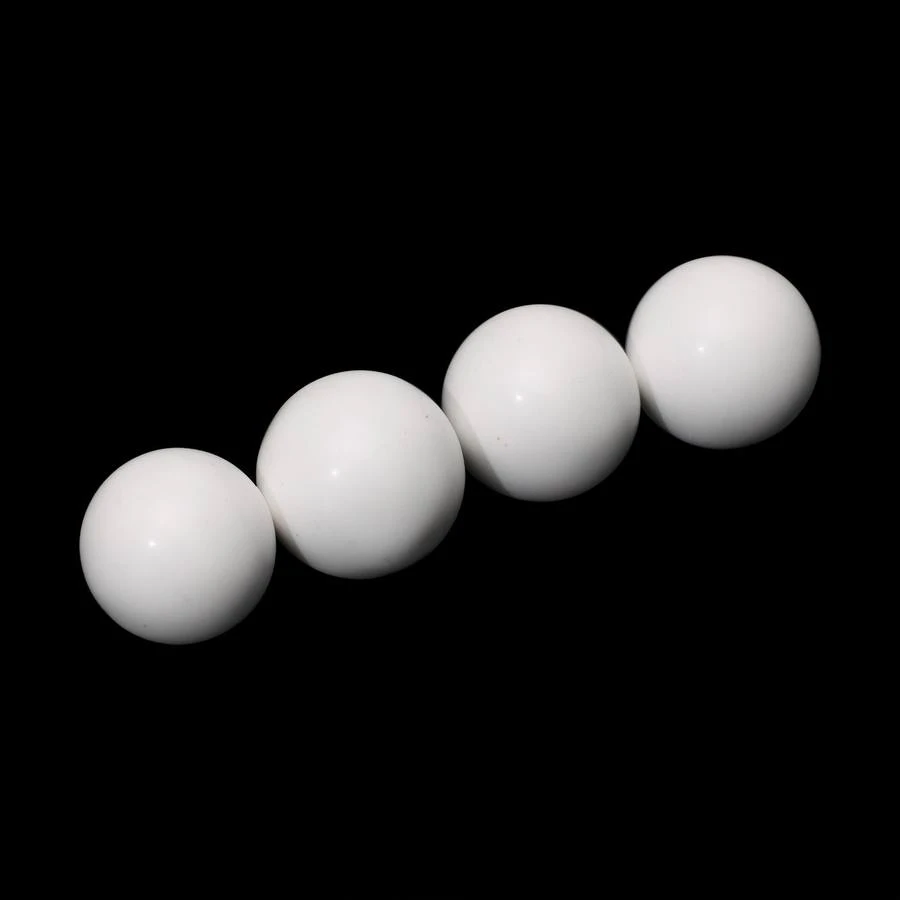
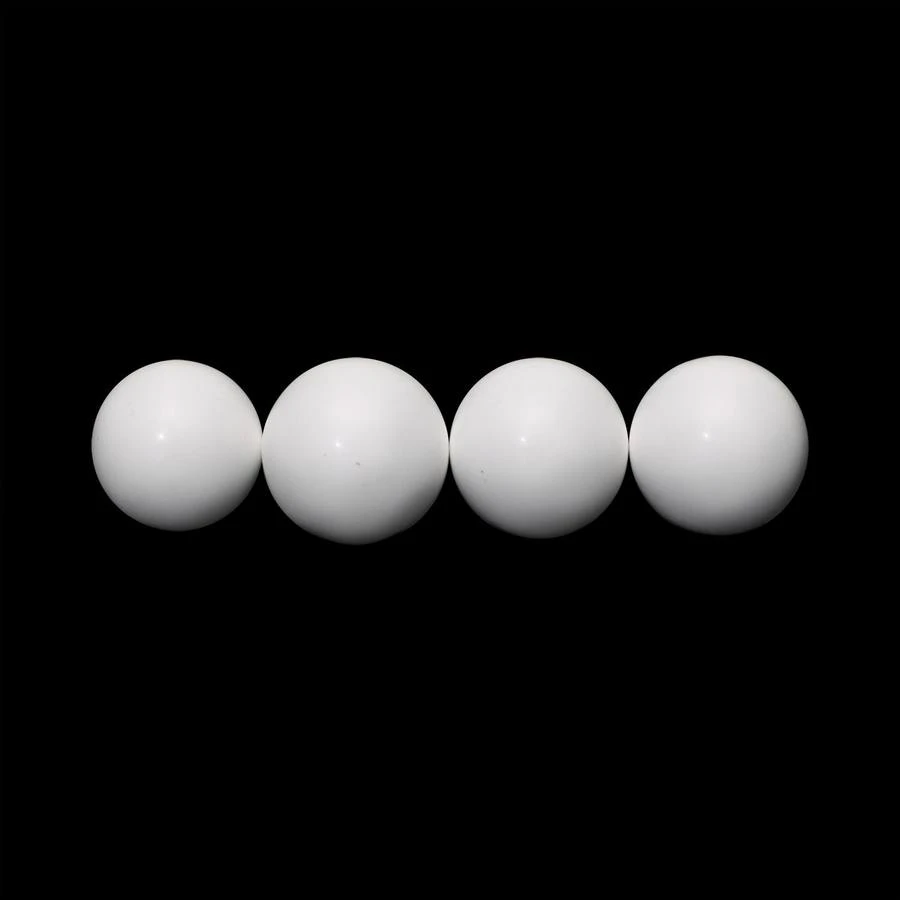
| Shape | Spherical, pressed and sintered; bead and ball forms |
| Surface | As-sintered or polished, per grade; confirmed per order |
| Mills | Ball mills, stirred media mills, attritors and vibratory mills |
| Typical Duty | Fine and ultra-fine grinding and dispersion of minerals, ceramics, glazes, pigments, coatings and chemical products |
| Packing | 25 kg bags in wooden cases or on pallets, strapped for export; big bags on request |
| Certificate | Batch certificate of analysis from the source factory (composition, density, size); EN 10204 3.1 format where the factory issues it - confirmed per order |
Grades, sizes, density and wear figures are confirmed against your mill and application before the order is placed. Where a figure isn't yet confirmed, we say so rather than quote a number we can't stand behind.
Step-by-Step Manufacturing Process
- Powder selection - the plant starts from calcined alumina or zirconia powder of the grade being made. Purity here sets the ceiling on everything downstream.
- Milling and blending - powder is milled to the target particle size and blended with binders and sintering aids, with the recipe held to the grade.
- Granulation - the blend is spray-dried or otherwise granulated so it flows and presses evenly; uneven granulation shows up later as density variation between balls.
- Forming - balls are pressed - isostatic pressing for larger sizes, roll or die pressing for beads - to a green density high enough to sinter without internal voids.
- Sintering - the formed balls go through a high-temperature kiln. Time and temperature control the final density, grain size and wear resistance.
- Sizing and screening - sintered balls are screened to the nominal diameter; oversize and undersize are separated rather than blended back in.
- Finishing - where a polished surface is specified, balls are tumbled or polished to remove surface defects that would seed wear.
- Testing and packing - a batch sample is checked for composition, density, size distribution and appearance, then the batch is bagged, cased and strapped for export.
Quality Assurance & Certificates
- Batch certificate of analysis from the source factory - declared composition and density for the grade shipped
- Size distribution check by screening, reported per batch
- Visual inspection for cracks, chipping and surface defects before packing
- Wear rate and hardness data available from the source factory for the grade under consideration
- EN 10204 3.1 mill test certificate where the factory issues one; otherwise the factory's own certificate of analysis - confirmed before the order is placed
- Third-party inspection on request (SGS, BV, Intertek)
- Documentation support for destination conformity schemes (for example KEBS or PVoC)
- Every shipment is checked against the agreed grade, size and packing before it leaves
Core Applications
- Mineral fillers - calcium carbonate, kaolin, talc and similar, where brightness and low iron pickup matter
- Pigments, inks and coatings - dispersion and fine milling without colour shift
- Ceramic bodies, glazes and enamels - where the media is the same material family as the product
- Electronic and battery materials - fine grinding with controlled contamination
- Chemical products and catalysts - where metallic contamination is unacceptable
- Pharmaceutical and food-adjacent milling, subject to the documentation the source factory can provide
- Ball mill, stirred media mill, attritor and vibratory mill charges, including top-up and replacement media
FAQ
Alumina or zirconia - which do I need?
Alumina for most mineral, ceramic and coating milling, where 92% or 95% is enough and cost per tonne of media matters. Zirconia and ZTA for ultra-fine grinding in stirred mills, where the higher density gives better grinding energy per pass and the toughness keeps bead breakage down. If you tell us the mill type, target fineness and the product's contamination limit, we'll recommend a grade and say why.
What size balls should I charge?
As a rule, coarser feed and coarser target grind take larger balls, and fine or ultra-fine targets take smaller beads - but the mill geometry, tip speed and slurry viscosity decide it as much as the target. Send the mill model and duty and we'll help you size the charge. Replacement top-up is usually a mix of two sizes rather than a single one.
How low is the wear rate, and how much contamination will I get?
It depends on grade, mill, slurry and running hours, so we quote the source factory's measured figure for the specific grade rather than a blanket number. What we can say is that alumina and zirconia media wear orders of magnitude slower than steel in fine grinding, and the wear product is a ceramic of the same family as many products being milled. Ask for the batch data for the grade you're considering.
Do you supply a certificate with each batch?
Yes - a batch certificate of analysis from the source factory, covering declared composition and density. Where the factory issues an EN 10204 3.1 certificate, we supply that; where it doesn't, we say so up front rather than promise a document that won't arrive. Third-party inspection (SGS, BV, Intertek) can be arranged on request.
Can you supply food-contact or pharmaceutical grades?
Tell us the requirement and we'll confirm what the source factory can document. We don't claim a food-contact or pharma status on this page, because that depends on the specific grade and the paperwork the plant holds - it's a question we answer per order, in writing, before you commit.
Can I mix grades in one container?
Yes. Different grades and sizes can ship together, bagged and labelled separately, so a first trial order doesn't have to be a full container of one size. Mixed packing is agreed before the order is placed.
How is the media packed?
25 kg bags in wooden cases or on pallets, strapped for export, with big bags available on request. Packing is agreed against the destination and handling conditions before the order ships.
Are you the manufacturer?
No. We're a China-based steel trading company and a first-tier mill agent with a vetted network of source factories. We buy direct, verify grade and size against what you agreed, and manage the export - packing, certificates, inspection and shipping. You get factory product with someone accountable for the order.


